
Dholera Airport Impact on Residential Projects: Plot Price, Land Rates & Future Growth
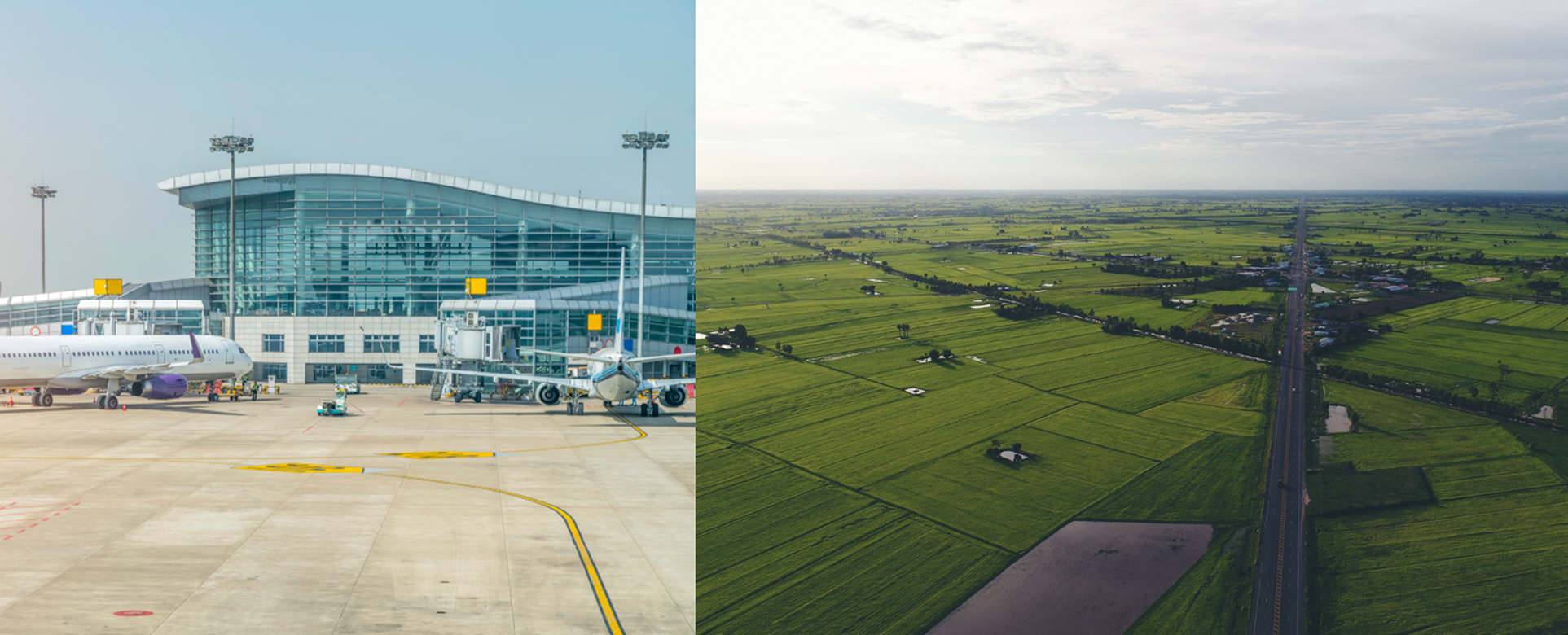
The announcement and construction progress of Dholera International Airport is already reshaping investor sentiment across the Dholera Special Investment Region (SIR). As connectivity goes from plan to reality, residential projects, ranging from small plot developments to large township schemes are witnessing re-priced potential and changing buyer demand. Below is a clear, descriptive and bullet-pointwise breakdown of how the airport will influence plot price, land rates, and future growth for residential holdings in Dholera.
How the airport changes demand dynamics
- Immediate buyer psychology: Confirmation of construction/completion reduces perceived risk; many investors move from “wait-and-watch” to active acquisition.
- End-user vs investor split: Better air connectivity brings in professionals, corporate employees who need a place to stay (end-users), non-resident investors looking at better potential for short to mid-term capital gains.
- Shift in preferred locations: plots in TP zones that offer easy access to the airport (and expressway/metro corridors) will see premiumization; peripheral plots remain cheaper but may appreciate slower.
Effects on plot price and land rates
- Price bands move upward: Expect baseline price floors to climb — what today’s price can become the new sub-premium band within 12–24 months of the airport opening.
- Proximity premium: plots within 5–10 km of the airport corridor typically attract a 15–40% premium vs similar-sized plots farther away. Developers marketing “airport-facing” or “near-airport” plots command the higher end of the Dholera Smart City Plot Price scale.
- Infrastructure-led re-zoning: government allotment tables and TP zoning influence baseline land allotment rates; check official land pricing schedules for exact figures before purchase. (State land-pricing resources list corridor/TP rates.)
What “Dholera Residency Land Rates” will likely reflect
- Higher transactional premiums: branded townships and “residency” projects near civic nodes will add development premiums to raw land — that’s the difference between plain land rate and the marketed Dholera Residency Land Rates in project brochures.
- Staggered appreciation: Core blocks that receive utilities (water, electricity, sewage) and fast transport links will see price jumps first; less served plots will lag.
Timeline of value realization (phases)
- Pre-completion (announcement → construction): speculation-driven pricing; early-bird discounts still available to strategic buyers.
- Completion & initial operation (airport operational): strong demand spike for residential plots and rental housing; localized 2–3x re-rating possible in high-demand pockets.
- Maturation (5–10 years): ecosystem builds up — education, healthcare and corporate hubs — providing for sustainable long-term capital values and rental yields.
Practical buying pointers (for investors & end-users)
- Verify official land rates and TP zone: match seller claims against government land-pricing tables before committing. This avoids paying inflated “promotional” Dholera Residency Land Rates that aren’t supported by allotment records.
- Prefer serviced plots: plots with promised utility connections and road access de-risk delivery timelines and command less speculative discounting.
- Check proximity to transport corridors: select plots which are a tradeoff between time to airport and incremental infrastructure (expressway, proposed metro/monorail). These near corridors typically witness the best price appreciation early on — they represent the upper end of Dholera Plot Price movements.
- Ask for developer track record: established developers with clear possession timelines reduce execution risk.
Risks & cautionary notes
- Speculative bubbles: rapid price rises attract speculation — don’t buy a lot of inventory solely on promises; insist on approvals and verified titles.
- Infrastructure delivery risk: timelines slip in large projects; the airport’s completion target is positive signal but stays updated via official releases.
- Liquidity considerations: There can be challenges with liquidity in the secondary market for some TP zones – plan an exit strategy!
Bottom line: where value will come from
Real, sustainable value = connectivity + services. The Dholera airport is a catalyst — it turns distant land into accessible, investable neighborhoods. Early movers who pair location insight with due diligence (title checks, official land rates, developer credentials) are positioned to benefit as Dholera Smart City Plot Price bands shift upward and Dholera Land Rates normalize at higher levels.